

The UK's Social Media Ban for Under-16s: A Psychologist's View
By Dr Bradley Powell, Clinical Psychologist and Co-Founder, Regal Private Therapy Practice
On 15 June 2026, Prime Minister Keir Starmer announced that the UK will ban children under 16 from using social media platforms, including Instagram, TikTok, Snapchat, YouTube, Facebook and X. Legislation is expected to reach Parliament before the end of 2026, with protections coming into force by spring 2027. The enforcement burden falls on tech companies rather than children or families, with potentially significant fines for platforms that fail to comply.
As a Clinical Psychologist, I see this as a step in the right direction.
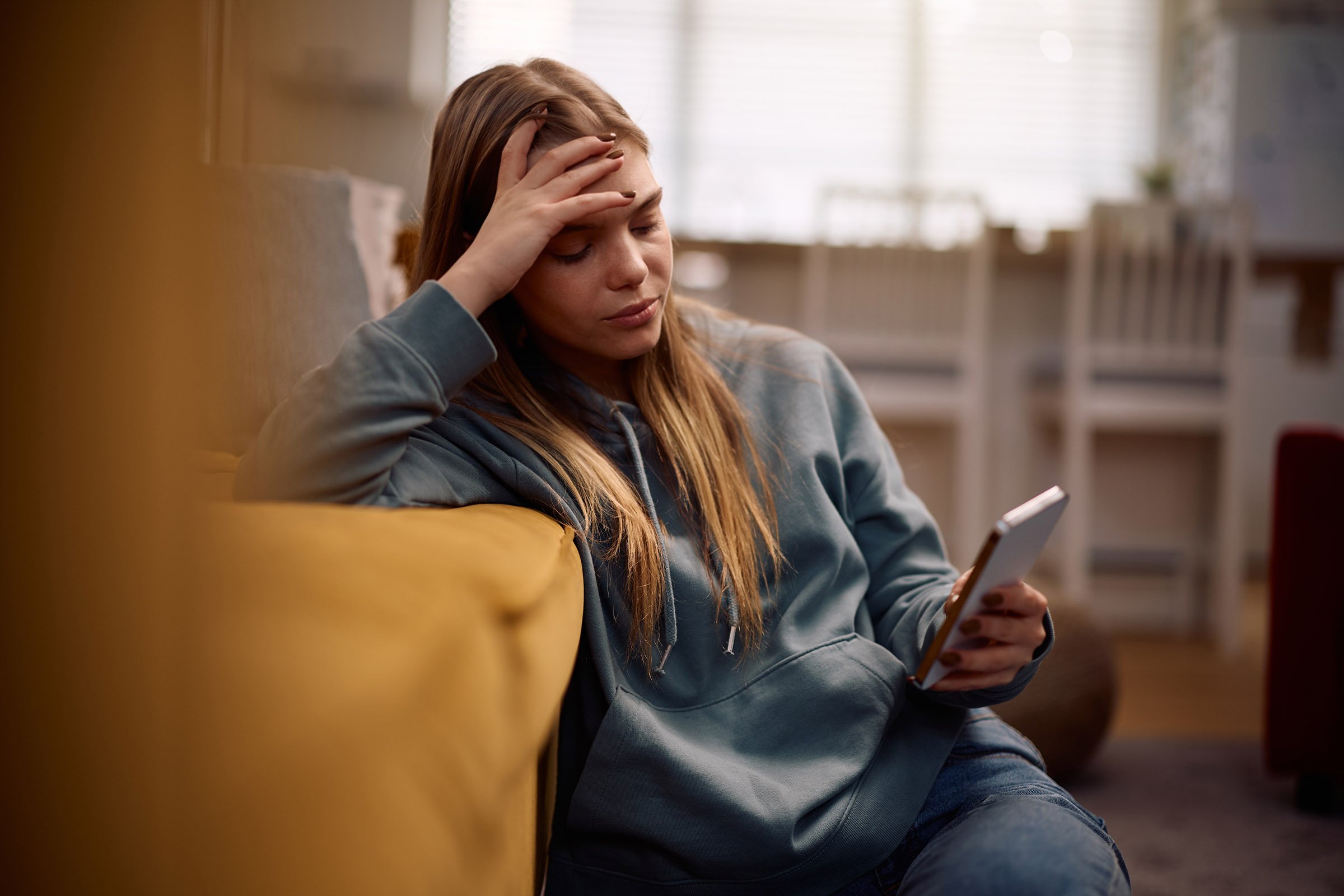
A Public Health Response to a Public Health Problem
When we think about public health, we often reduce harm by increasing friction. We have done this with smoking, alcohol and sugary drinks: products that carry risk, particularly for children and young people. A ban on social media for under-16s will not remove every risk, and some young people will still find ways to access it. But it sends a clear message: these platforms are not neutral spaces for developing minds.
One of the consistent difficulties for parents has been the vagueness of the guidance. Until now, there has been no legal minimum age for accessing social media in the UK. Platforms have had their own age restrictions, but these have often been inconsistently enforced. Parents have been left with advice like "monitor screen time" or "set healthy boundaries", which may be sensible in principle, but can be extremely difficult to apply when social media is already embedded in a young person's peer group and daily life.
Why Social Media Is Different
When I was growing up, the main concerns around screen time were television, video games and perhaps spending too long on early online platforms like MSN. The guidance was usually framed around limiting TV or gaming to a set amount of time per day. But social media is fundamentally different from those things.
It is portable, personalised, socially reinforcing and designed to hold attention. A child is not simply watching a programme and then switching it off. They are being pulled into an algorithmic environment of comparison, feedback, notifications, trends, appearance-based judgement and constant social availability. The product itself is engineered to be hard to leave.
That is a meaningful distinction, and it is why a clearer age boundary may actually help.
What a Legal Minimum Age Can Do
A legal threshold gives parents a firmer footing than vague advice to "keep an eye on it". It also shifts the default cultural expectation. Rather than every family having to negotiate social media use in isolation, this approach creates a broader public health stance: being under 16 is too young for unrestricted access to these platforms.
From a psychological perspective, reducing early exposure may help minimise short-term risks, including disrupted sleep, anxiety, social comparison, concentration difficulties, exposure to harmful content and the pressure to be constantly available online. In the longer term, it may also support the development of attention, emotional regulation, confidence, face-to-face communication and real-world social skills.
What This Policy Cannot Do Alone
This ban will not replace the need for digital education, genuine parental involvement, better platform regulation or support for young people who are already struggling. It is also likely that some children will still find ways around the rules, as the Australian experience, where a similar ban came into force in December 2025, has already shown.
But as a public health measure, it helps shift the culture. It increases friction, gives parents clearer boundaries, and creates more space for children to develop offline relationships, tolerate boredom, build confidence in face-to-face settings, and grow up with less pressure from algorithm-driven comparisons.
The policy alone is not the answer. But it is a meaningful part of one.

Dr Bradley Powell is a Clinical Psychologist and Co-Founder of Regal Private Therapy Practice, based in Marylebone, London. The practice specialises in evidence-based psychological therapy for children, young people and adults.
If you are concerned about a young person's relationship with social media, or would like to speak with a member of our team, please get in touch.
